Why Checking Your Portfolio Every Day Is Hurting Your Returns
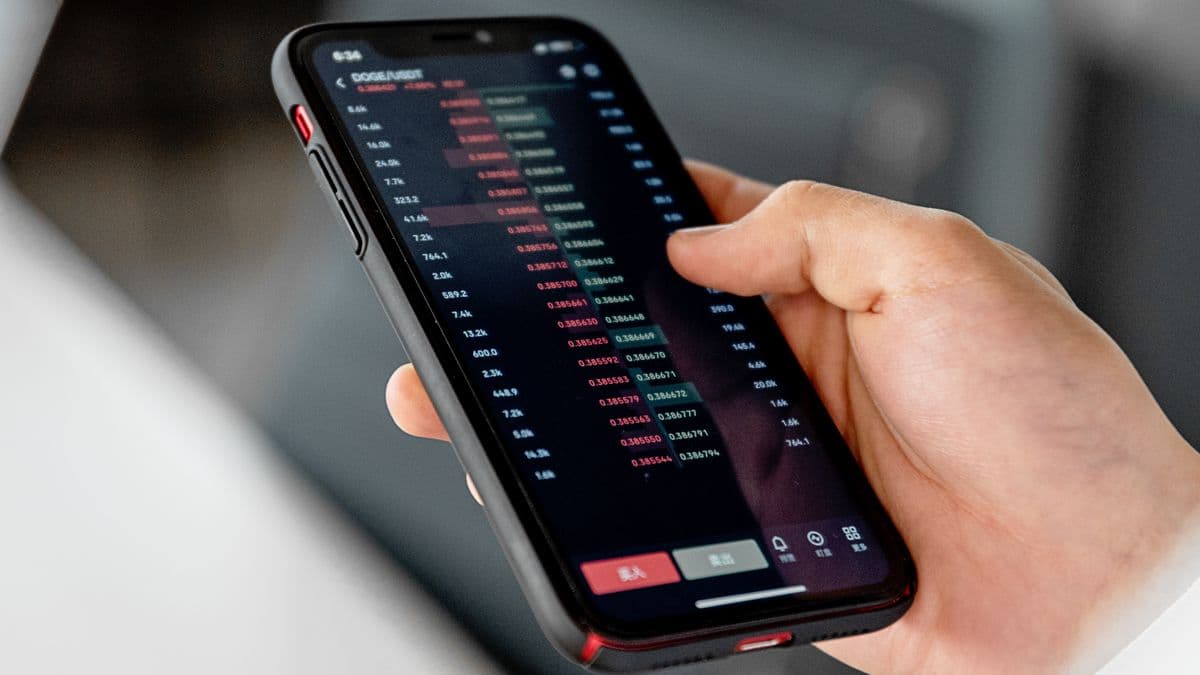
Of all the habits that quietly damage long-term returns, few are as under-the-radar as simply looking too often. Not trading too often, necessarily — just looking. Opening the app, refreshing the number, closing it again. It feels harmless, even responsible. It isn't.
The Maths of Looking
Markets move up and down constantly on any given day or week, even in years that end up being strongly positive. Zoom in close enough and you'll always find red. The more frequently you check, the more often you'll catch the portfolio in one of its normal, meaningless dips — and the less that short window resembles the actual long-term trend your plan is built around. Checking daily practically guarantees you'll see "down" days regularly, even in a portfolio that is doing exactly what it's supposed to do over the years that actually matter.
Losses Feel Bigger Than Gains
Behavioural economists have long observed that losses feel considerably more painful than equivalent gains feel good — a finding often referred to as loss aversion. Pair that with frequent checking and you get a phenomenon researchers call myopic loss aversion: the more often you look, the more loss-shaped moments you encounter, and the more those moments weigh on your decisions, even though nothing has fundamentally changed about your long-term plan. You end up with an emotional relationship to your portfolio that's far more volatile than the portfolio itself.
From Anxiety to Bad Decisions
This wouldn't matter much if the anxiety stayed contained. It rarely does. A bad few days starts to feel like a reason to "do something" — move to cash until things settle, pause contributions, sell the fund that's dragging on performance. A good run creates the opposite urge: chase whatever's currently hot, add more right when it's most expensive. Both instincts are triggered by short-term noise and both tend to work against you, converting a sound long-term plan into a series of emotionally driven, poorly timed decisions.
The Oblivionist's Advantage
There's a reason the investor who barely checks their portfolio often ends up doing better than the one who studies it daily. It's not that they know something the anxious checker doesn't — it's that they've never given themselves the opportunity to panic. Fewer glances mean fewer chances to feel the sting of a red day, and fewer chances to act on that feeling. Ignorance, in this narrow sense, functions as a form of discipline.
Building Better Habits
None of this means ignoring your finances altogether. It means separating monitoring from reacting. A fixed schedule — quarterly, or even just once a year — is plenty to check that contributions are on track, that the plan still matches your goals, and that nothing structural needs adjusting. Turning off daily balance notifications, deleting the app from your home screen, and automating contributions all remove the temptation to check for its own sake. The goal is to judge progress against your actual plan and timeline, not against yesterday's closing price.
The portfolio isn't what's causing the anxiety. The refresh button is. Put it down, and the plan you built when you were calm gets a much better chance to work.
Ready to Take the Next Step?
Enjoyed this article?
Get the next one delivered to your inbox.
Comments
Loading comments...
Related Articles
Continue reading more insights on financial planning.

Why an Adviser with True Independence Matters
Bitcoin and Cryptocurrency: Where Are We Now?