
Bitcoin and Cryptocurrency: Where Are We Now?
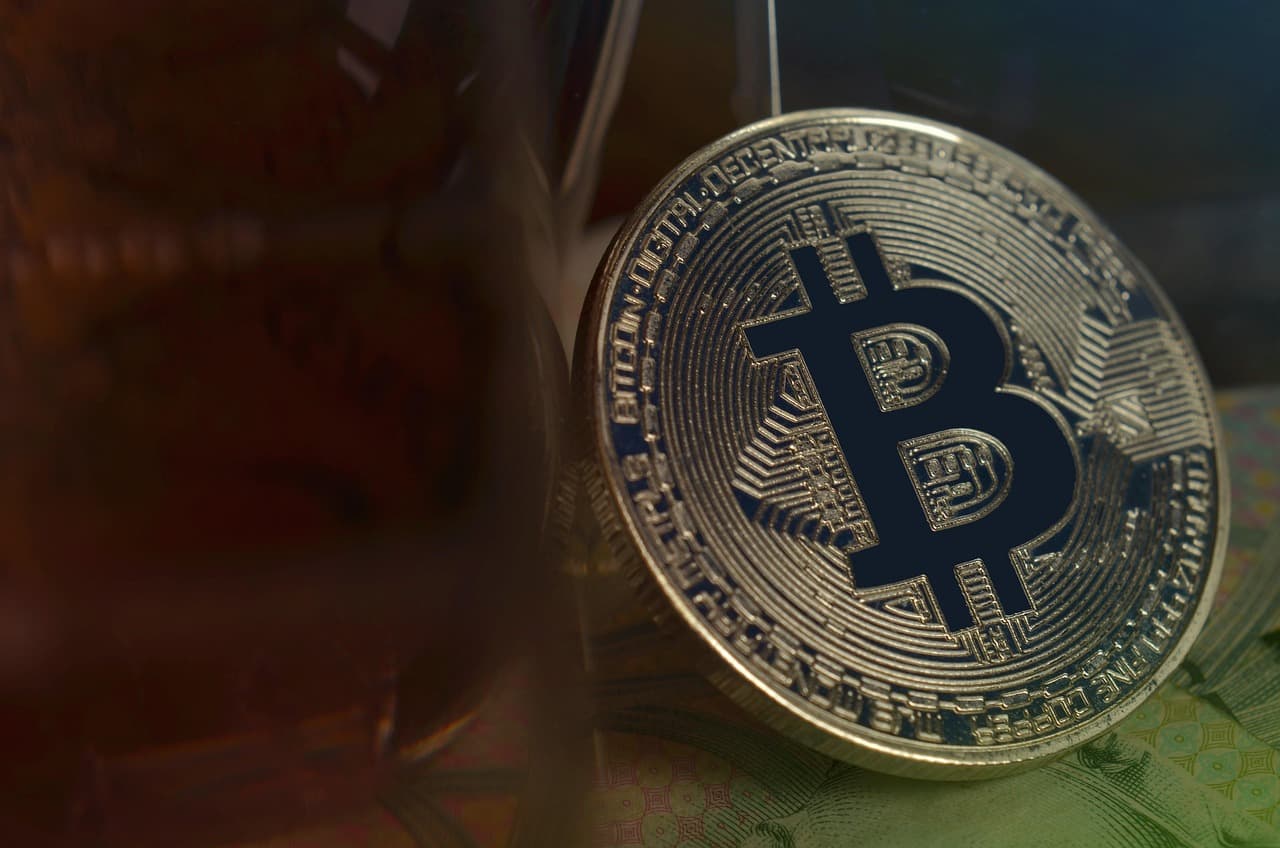
Is it time to take Bitcoin seriously?
For years, most financial advisers steered clear of Bitcoin. There were good reasons: wild price swings, high-profile scandals and no regulated way for ordinary investors to buy it.
A lot has changed. Bitcoin is now 17 years old, some of the world's largest investment firms run Bitcoin funds, and since October 2025 UK investors have been able to buy regulated Bitcoin products.
But it is still a bumpy ride. Bitcoin peaked at around $126,000 in October 2025 and was trading near $83,600 at the end of September 2026, roughly 27% lower (Fortune).
So let's revisit the seven most common objections: what's changed, and what hasn't.
Seven objections, revisited
| The objection | What's changed | What hasn't |
|---|---|---|
| "It's too volatile." | Price swings have calmed over time. In 2025, Bitcoin's average volatility was similar to big tech shares such as Apple and Meta (Bitwise). | Falls of 70% or more have happened several times and could happen again. |
| "It's only used by criminals." | Chainalysis estimates under 0.2% of crypto transactions are illicit. Every Bitcoin transaction is recorded publicly, which helps police trace crime. | Scams targeting investors are still common. Only deal with regulated firms. |
| "It's not backed by anything." | Supply is capped at 21 million coins, and new coins cost real energy and computing power to create. | It pays no income, so its value rests entirely on what others will pay for it. |
| "It's too new." | Launched in 2009, it has survived several boom-and-bust cycles, exchange collapses and attempted bans. | 17 years is still short next to shares, bonds or gold. |
| "Quantum computers will break it." | Experts estimate millions of qubits would be needed; today's most advanced chips have around 100. Bitcoin's software can also be upgraded. | It's a long-term technology risk worth watching. |
| "It's bad for the environment." | Cambridge University research in 2025 found more than half of Bitcoin mining now uses sustainable energy. | It still uses a lot of electricity. |
| "It's unregulated." | The FCA now allows retail investors to buy Bitcoin ETNs, and a full UK licensing regime starts in October 2027. | It is not covered by the FSCS. You could lose all your money. |
The honest picture? Many of the old reasons for avoiding Bitcoin altogether have weakened. The reasons for treating it with caution have not.
How UK investors can hold it, and how it's taxed
- Regulated ETNs. Since October 2025, Bitcoin exchange-traded notes listed on the London Stock Exchange can be held in a SIPP or general investment account (FCA).
- ISAs are limited. From 6 April 2026, new purchases must go in an Innovative Finance ISA rather than a Stocks and Shares ISA, and few mainstream platforms offer this (Money to the Masses).
- Holding coins directly on an exchange carries extra risks: hacks, lost passwords and platform failure.
- Tighter rules are coming. UK crypto firms must apply for FCA authorisation by 28 February 2027, ahead of the new regime starting on 25 October 2027 (Linklaters).
Outside a pension or ISA, selling or swapping crypto can trigger Capital Gains Tax at 18% or 24% above a £3,000 annual allowance. UK platforms now report customer details to HMRC, so keep good records. Expats should check the rules where they are tax resident.
Our view
Bitcoin is not the cornerstone of a financial plan. Your pension, ISAs, an emergency fund and a well-diversified portfolio will always do the heavy lifting. No single speculative asset should replace them.
But it does deserve a serious conversation. With regulated products, major institutions involved and clearer UK rules on the way, dismissing it out of hand no longer makes sense. It is now an asset class worth understanding properly.
And for the right client, it could be a small diversifier. For someone with a long time horizon, the capacity to absorb big losses and a clear understanding of the risks, a modest allocation (a few per cent of a larger portfolio, rebalanced regularly) may have a place. For many others, the right amount is still none.
If you're curious about Bitcoin, or already own some and want to know how it fits with everything else, talk to us. We'll look at it as part of your whole plan, not in isolation.
This article is for information only and is not financial advice. Crypto assets are high risk, and you could lose all the money you invest. They are not covered by the Financial Services Compensation Scheme. Past performance is not a guide to the future. Tax rules can change and depend on your circumstances.
Sources
Ready to Take the Next Step?
Enjoyed this article?
Get the next one delivered to your inbox.
Comments
Loading comments...
Related Articles
Continue reading more insights on financial planning.

Why an Adviser with True Independence Matters
Launching Our Financial Independence & Retirement Calculator