Why a Falling Market Is Actually Good News (If You're Still Contributing)
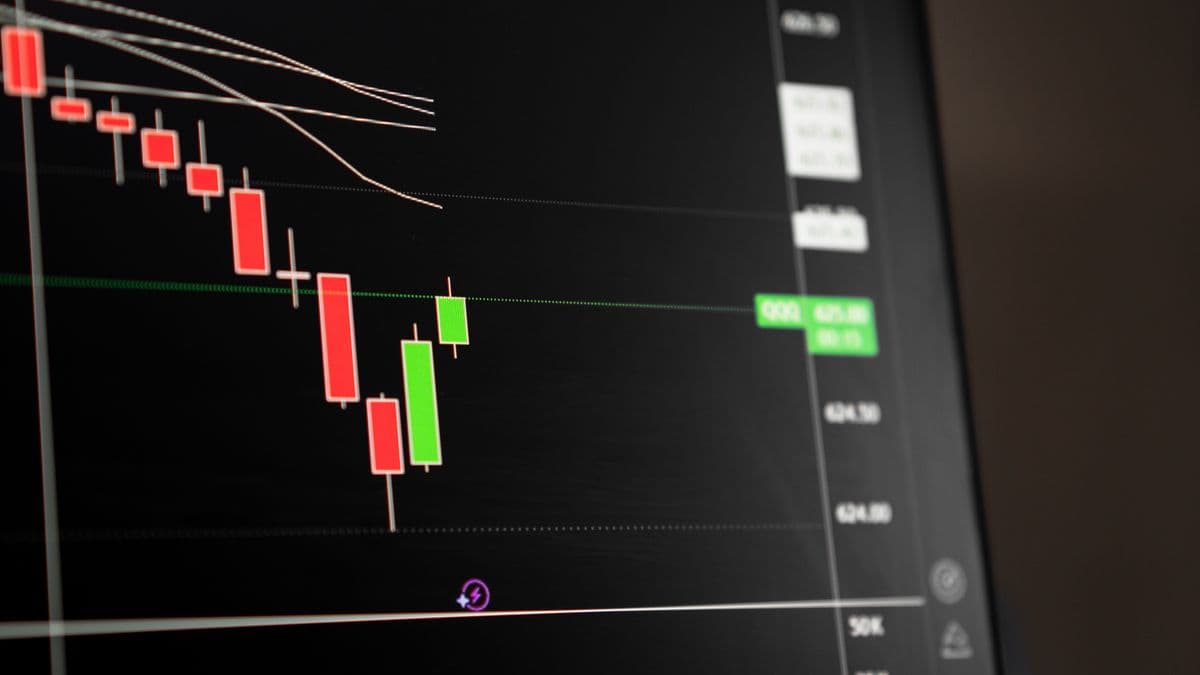
Open your investment app on a red day and your stomach drops before your brain catches up. Every instinct says something bad just happened. And yet, if you're a regular investor — someone paying into a pension, an ISA, a 401(k), or a fund every month — a falling market is one of the best things that can happen to you. It just doesn't feel that way.
The Simple Maths Nobody Feels
This is the idea behind pound-cost averaging (or dollar-cost averaging, if you're on the other side of the Atlantic): investing a fixed amount on a regular schedule rather than trying to time the market with a lump sum.
Say you invest £200 a month. When prices are high, that £200 buys fewer shares. When prices fall, the same £200 buys more shares. You're not doing anything clever — you're just showing up every month with the same amount of money — but the mechanics quietly work in your favour. A market dip means your next contribution, and the one after that, buys a bigger stake in the recovery than it would have at the old, higher price.
The catch is that no part of this feels good in the moment. Your statement still shows a lower number. The genuine benefit — more shares in your name — is invisible unless you go looking for it, while the loss is right there in bold on the screen. That mismatch between what's actually happening and what it feels like is where most investors get into trouble.
Fighting the Instinct to Pull Out
When markets fall, the pull to "stop the bleeding" is powerful and completely natural. It's the same instinct that makes you flinch from a hot stove — useful for surviving physical danger, less useful for a 20-year investment plan. Selling after a drop, or pausing contributions until things "settle down," converts a paper loss into a real one and takes you out of the market for exactly the period when your money buys the most.
It helps to remember what the news is actually optimised for. A headline about inflation, interest rates, or a market sell-off is written to be read in the next ten minutes, not to reflect what your portfolio will be worth in 2046. The news cycle has no idea what your goals are, how long your horizon is, or what you're saving for — it is reacting to today, and only today. Treating a 24-hour news story as a reason to abandon a 10-to-20-year plan is a mismatch of timeframes, not a rational response to new information.
Three Types of Investor
Broadly, investors fall into three camps when markets turn rough.
The optimist sees a falling market for what it is: a temporary discount on future returns. They understand that markets have historically recovered from every downturn so far, and they treat the dip as a reason to stay the course — or even to invest more if they can. Their conviction is well-placed, informed, and calm.
The oblivionist isn't necessarily informed at all. They've automated their contributions, they don't check the news, and they might not even know the market fell 10% last month. It sounds careless, but for investing purposes it works almost as well as being an optimist. They stay invested not because they've reasoned their way through it, but because they never gave themselves the opportunity to panic.
The pessimist watches every headline, checks their balance daily, and treats each dip as confirmation that disaster is coming. They're the only one of the three who reliably damages their own returns — selling low out of fear, sitting in cash while the market recovers, and buying back in only once prices are high again and it "feels safe."
Only the first two can be successful long-term investors, and that's worth sitting with. It's not really about being right about the market. It's about whether your behaviour lines up with your plan. The optimist gets there through understanding; the oblivionist gets there by default. The pessimist is undone not by bad luck, but by their own reactions to completely normal market behaviour.
If you can't talk yourself into being an optimist when the market falls, the more achievable goal might be to become a better oblivionist: automate your contributions, close the app, and let the plan you built when you were calm do its job.
Ready to Take the Next Step?
Enjoyed this article?
Get the next one delivered to your inbox.
Comments
Loading comments...
Related Articles
Continue reading more insights on financial planning.

Why an Adviser with True Independence Matters

Bitcoin and Cryptocurrency: Where Are We Now?