A Bit of Good News: What the Middle East De-Escalation Means for Your Finances
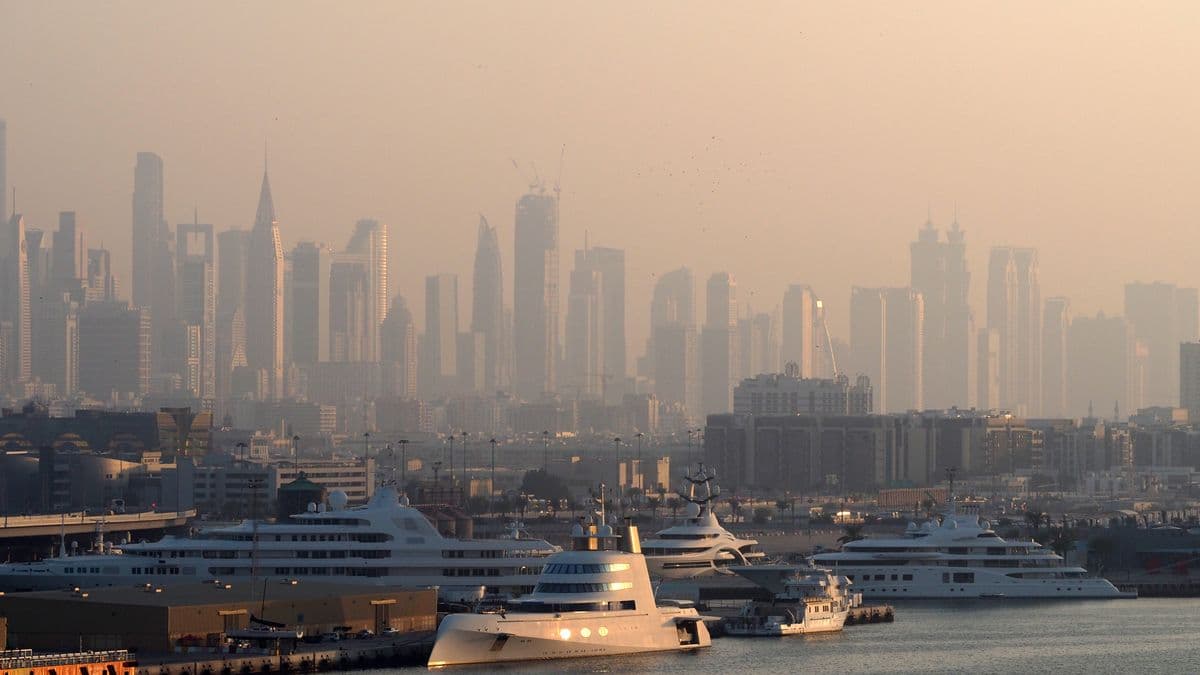
After a genuinely rough few months for anyone living in or connected to the Gulf, there's finally something worth feeling good about. Things aren't fully resolved yet, more on that honestly below but the direction of travel has turned, and that matters enormously for anyone trying to plan their finances out here.
Let's talk about what's actually changed, why "more certainty" is such a big deal for your money, and what's realistically expected over the coming months.
A Quick Recap of How We Got Here
It's been a lot to follow, so a brief refresher. Since late February, the region went through a serious conflict that closed the Strait of Hormuz, the narrow waterway that around a fifth of the world's oil and roughly a quarter of its LNG normally pass through. That closure sent oil prices soaring past $100 a barrel, disrupted shipping and air travel across the region, and left a lot of Gulf-based businesses and households in a genuinely uncertain spot for months. Grocery imports, fuel, and everyday costs all felt the knock-on effects, and several rounds of ceasefire talks came close before falling apart again, particularly over fighting in Lebanon.
If you found yourself doom-scrolling the news more than usual this spring, you weren't alone — and it wasn't an overreaction. This was, by most measures, one of the more serious disruptions to global energy markets in recent memory.
What's Actually Changed
The good news: in mid-June, the US and Iran signed an interim agreement that kicked off a 60-day window to negotiate a fuller, longer-term peace deal. Since then, things have moved faster than most analysts expected. Oil tanker traffic through the Strait has been climbing back toward pre-war levels, with dozens of tankers now exiting daily, a level not seen since before the conflict began. Oil prices have fallen for several days running as markets absorb the news that supply is normalising. Some analysts are now even flagging the opposite problem: a potential oversupply of oil, given how quickly shipping has resumed alongside softer demand from China.
To be fair and clear: this isn't a fully signed, permanent peace yet. There's still a formal long-term deal to be finalised, and tensions around Lebanon in particular remain a genuine sticking point, with intermittent strikes still being reported. So "cautiously optimistic" is the honest phrase here, not "all clear." But compared to where things stood even a few weeks ago, this is real, measurable progress and it's already showing up in the numbers that matter for your wallet.
Why "More Certainty" Actually Matters for Your Money
It's easy to treat geopolitical news as background noise, but uncertainty has a very direct financial cost, and its removal has a very direct financial benefit. Here's why this shift matters practically, especially if you're living and working in the Gulf.
- Businesses can plan again. When nobody knows if a key shipping lane will be open next week, companies delay investment, freeze hiring, and hold off on expansion. As that uncertainty lifts, decisions that were paused, job offers, project approvals, salary reviews, relocation packages, start moving again. If you've felt like your employer has been unusually cautious the last few months, this is a big part of why, and it's a reasonable thing to expect to ease as confidence returns.
- Cost of living pressure should ease. A lot of the region's day-to-day cost pressure over the past few months traced back to the disrupted Strait, from fuel costs to the knock-on effect on imported goods, some of which saw noticeable price spikes at the height of the disruption. As shipping normalises, that pressure has genuine room to come down rather than keep building.
- Property and investment decisions get easier. Big financial decisions, buying property, committing to a long lease, moving savings into local investments, are hard to make confidently when the regional outlook is genuinely unclear. Greater certainty doesn't guarantee good returns, but it does mean you can make decisions based on an actual read of the situation rather than a coin flip.
- Currency and market stability. Oil-price shocks ripple into currency markets and put pressure on local currencies pegged to the dollar. Calmer oil markets generally mean calmer currency and equity markets too — one less variable to worry about when you're already managing money across two currencies as an expat.
What's Expected Over the Coming Months
Here's the realistic outlook, based on what economists and institutions like the IMF are currently forecasting:
- Short term (next couple of months): The 60-day negotiation window from the June agreement runs into mid-August, so expect this to be the period where we find out whether a fuller peace deal actually gets signed. Oil markets are likely to stay a little jumpy until that's resolved, even with the positive momentum.
- This year overall: Growth across the wider Middle East and Central Asia region has been revised down for 2026 because of the disruption earlier in the year, to around 1.4% for oil-exporting economies most directly affected, a significant downgrade from pre-war forecasts. Inflation across the region has also run hotter than usual as a result.
- The rebound story: Despite this year's setback, oil exporters directly affected by the conflict are expected to see a meaningful rebound starting in 2027 as production and shipping fully normalise. Public debt levels across the region have generally stayed contained through the disruption, which is a genuinely reassuring sign for long-term stability.
- Risks still on the table: Lebanon remains a genuine flashpoint, and US midterm elections in November add a political variable, some analysts have flagged a risk that renewed tension could resurface around that period if either side feels political pressure to act. It's worth staying informed rather than assuming this is fully behind us.
- The likely trajectory if things hold: a gradual return to more predictable oil prices, resumed business investment across the Gulf, and a steadier cost-of-living picture heading into 2027.
What This Means for Your Planning
If you've been sitting on financial decisions the last few months because everything felt too uncertain to commit to, it's a reasonable time to revisit them, with eyes open, not blind optimism:
- Worth checking in on any investment or property decisions you paused, now that there's a clearer (if not perfect) picture to plan against
- Worth watching oil and currency movements over the next six to eight weeks as the peace talks play out, rather than assuming stability is guaranteed
- Worth having an honest conversation with your employer if salary reviews or promotions were quietly paused during the uncertainty, many organisations are now in a position to revisit those
- Worth keeping an emergency fund healthy regardless, this region has taught everyone a fresh lesson this year in how quickly things can shift, and that lesson is worth holding onto even as things improve
Cautious optimism is still optimism. After the year this region has had, that's genuinely worth appreciating.
Ready to Take the Next Step?
Enjoyed this article?
Get the next one delivered to your inbox.
Comments
Loading comments...
Related Articles
Continue reading more insights on financial planning.

Why an Adviser with True Independence Matters
Bitcoin and Cryptocurrency: Where Are We Now?